Neisseria meningitidis Serogroup Y Probe-Based Quantitative PCR Kit
2026-09-01
Goat Chlamydia IgG Antibody ELISA Kit
2026-09-03Porcine epidemic diarrhea virus (PEDV) Detection Kit
Product Number: DTL0839
Shipping and Storage
- Store below 30℃. It is valid for 12 months.
- Transport at normal temperature, not suggested over 14 days.
- Opened but not completely used the all components should be stored at (-20±5)°C. It is recommended to separate in PCR tubes before refrigeration to avoid repeated freezing and thawing of all reagents next time. It is not recommended to repeat the freeze-thaw cycle more than 7 times.
- Date of manufacture and term of validity: see the label.
Component
| Component | 48T |
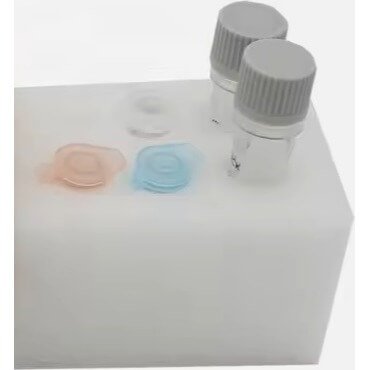
| PEDV RT-PCR Master Mix | Lyophilized powder ×1 Bottle |
| Positive Control | 100μL |
| Negative Control | 1mL |
| Redissolved Diluent | 1.5mL |
Note: Do not mix reagents from different batches.
.The reaction system is lyophilized powder that contains all components required for fluorescence PCR, including Taq enzyme, reverse transcriptase, primers, probes, dNTPs, and Mg2+ etc.
Description
This kit uses a pair of porcine epidemic diarrhea virus-specific primers combined with a specific fluorescent probe to perform in vitro amplification and detection of porcine epidemic diarrhea virus RNA using one-step fluorescent RT-PCR technology, and is used for clinical etiological diagnosis of suspected infected samples.
Application
Porcine epidemic diarrhea (PED) is a highly contagious enteric disease caused by porcine epidemic diarrhea virus (PEDV), characterized by diarrhea, vomiting, dehydration and high mortality in suckling piglets. The disease can occur all year round. Sick pigs and latently infected pigs are the main sources of infection. The virus is transmitted through the fecal-oral route or the milk of infected sows. The disease is difficult to distinguish from porcine transmissible gastroenteritis, which has similar clinical symptoms. Fluorescent PCR technology facilitates the identification of these two pathogens.
This kit is suitable for detecting porcine epidemic diarrhea virus RNA in intestinal contents, mesenteric lymph nodes, excrement and other specimens, and is suitable for auxiliary diagnosis of porcine epidemic diarrhea virus infection.