Diagnostic Kit for Herpes Simplex Virus Type 1/2 DNA
2026-03-12Avian Pasteurella multocida (PM) Detection Kit
2026-03-12Diagnostic Kit for Influenza A/Influenza B RNA
Product Number: DTL0711
Shipping and Storage
- Store below 30°C. It is valid for 12 months.
- Transport at normal temperature, not suggested over 14 days.
- Opened but not completely used BA PCR Master Mix should be stored at (-20±5)°C. It is recommended to separate in PCR tubes before refrigeration to avoid repeated freezing and thawing of all reagents next time. Storage time should not exceed 21 days.
- Date of manufacture and term of validity: see the label.
Component
| Component | 48T |
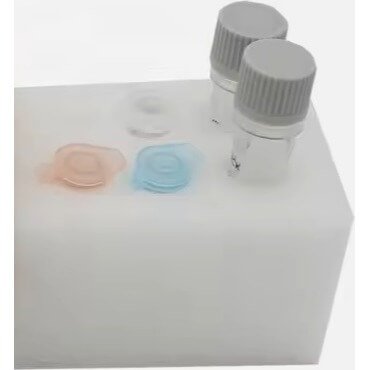
| Flu A/Flu B RT-PCR Master Mix | Lyophilized powder ×1 Bottle |
| Positive Control | 100μL |
| Negative Control | 1mL |
| Redissolved Diluent | 1.5mL |
- Do not mix reagents from different batches.
- The reaction system is lyophilized powder that contains all components required for fluorescence PCR, including Taq enzyme, reverse transcriptase, primers, probes, dNTPs, and Mg2+.
Description
This kit uses the multiplex fluorescent PCR detection technology to to design specific primers and Taqman fluorescent probes for the conserved regions of Influenza A virus and Influenza B virus, so as to realize the qualitative detection of Influenza A virus and Influenza B virus RNA in oropharyngeal swabs. The kit is provided with an Internal Control(IC), which can monitor whether there is PCR inhibitor in the sample to be tested by detecting whether the internal control is normal or not, so as to avoid false negative PCR.
Application
Influenza viruses are divided into four types: A, B, C, and D. Influenza viruses can cause infection and disease in a variety of animals such as humans, poultry, pigs, horses, and bats, and are the causative agent of human and animal diseases such as human influenza, avian influenza, swine influenza, and equine influenza. Typical clinical symptoms of these diseases are acute high fever, generalized pain, significant fatigue and respiratory symptoms. Influenza viruses are mainly spread through droplets in the air, contact between susceptible and infected people, or contact with contaminated items. Generally, autumn and winter are the periods of high incidence.