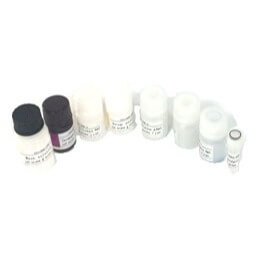
Proteinase K is a critical reagent in the life sciences and biopharmaceutical sectors. It plays an indispensable role in nucleic acid extraction and purification by degrading proteins in biological samples, thereby enabling the isolation of high-quality DNA and RNA.
Researchers can typically purchase Proteinase K in two forms: lyophilized powder and ready-to-use solution.
1. Lyophilized Proteinase K
Lyophilized (dry) Proteinase K powder exhibits exceptional thermal stability, retaining full enzymatic activity for over a year at room temperature (25°C). Even under elevated temperatures (37°C), it remains stable for more than two months without noticeable loss of activity. This robust stability offers significant advantages in terms of shipping convenience and cost-effectiveness.
2. Proteinase K Solution
Proteinase K solution also demonstrates relatively high thermal stability. Stability testing indicates that liquid Proteinase K can be stored at room temperature (25°C) for up to 12 months with no significant loss of activity.
However, during actual transit under extreme conditions, temperatures inside truck compartments or shipping containers can exceed 50°C, which may compromise the activity of the Proteinase K solution. Consequently, many researchers and end-ups prefer to purchase the lyophilized powder form. A frequently asked question is how to properly dissolve and store the lyophilized powder upon receipt.
3. Dissolving Lyophilized Proteinase K
For routine experimental applications, Proteinase K is typically reconstituted to a 20 mg/mL working solution.
Since calcium ions have been shown to effectively stimulate and enhance Proteinase K activity, we recommend using the following buffer for reconstitution:
Dilution Buffer Formulation:
- 20 mM Tris-HCl (pH 7.4)
- 1 mM CaCl₂
- Important Note: Because this buffer does not contain glycerol, the prepared Proteinase K solution should be used promptly. Any remaining solution must be sterile-filtered through a 0.22 µm membrane filter, stored at 2–8°C, and consumed as soon as possible.
- Alternative Option: If the recommended dilution buffer is unavailable in your laboratory, reconstituting the powder in ultrapure water for immediate use is also acceptable. The same sterilization (0.22 µm filtration) and storage (2–8°C) precautions apply to any unused portion.
4. Long-Term Storage of Proteinase K Solution
If you need to prepare a Proteinase K solution optimized for extended storage, please use the following buffer containing glycerol and calcium ions:
Storage Buffer Formulation:
- 20 mM Tris-HCl (pH 7.4)
- 50% Glycerol
- 1 mM CaCl₂
Reconstitution & Storage Protocol:
- Dissolve the powder in the Storage Buffer and sterilize the solution by passing it through a 0.22 µm filter.
- For frequent, short-term use, the solution can be safely stored at 2–8°C.
- For extended, long-term preservation, aliquot the solution and store at -20°C to maintain optimal enzymatic activity.
5. Expert Support
If you have any questions regarding the handling, dissolution, or storage of Proteinase K, please feel free to contact our technical experts for a complimentary consultation!
References
- MEBEP BioScience Reference No. PK01 (https://www.mebep.com/enzymes/proteinase-k-lyophilized-powder/)
- Proteinase K Solid Stability Report (https://www.mebep.com/new/proteinase-k-solid-stability-report/)
- MEBEP BioScience Reference No. PK02 (https://www.mebep.com/enzymes/proteinase-k-solution/)
- Proteinase K Solution Stability Report (https://www.mebep.com/new/proteinase-k-solution-stability-report/)
- Manual & COA of MEBEP BioScience (https://www.tinzyme.com/man/PK01.pdf) (https://www.tinzyme.com/man/PK02.pdf) (https://www.tinzyme.com/request-coa/)